No cookies, per the vendor — and what that does not settle
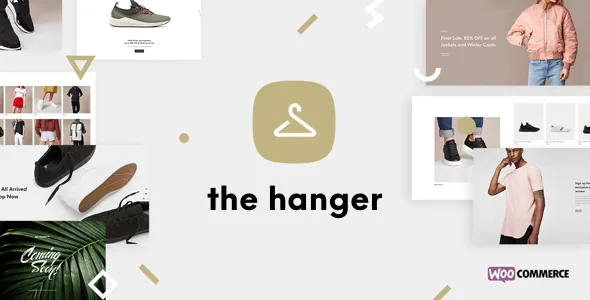
Get Bowtied's feature list makes a specific statement: The Hanger does not set cookies, and it is fully compatible with GDPR plugins, including plugins that load Google Fonts locally. That is the vendor's claim, not something verified here by inspecting consent behaviour on a running install.
The practical value is narrower than "GDPR compliant". A theme that sets no cookies of its own still leaves the decision about analytics, embedded media and marketing scripts to whatever you add. Likewise, local font hosting is a hosting choice that a compatible plugin can make — the theme's job is not to fight it. If your project has to pass a privacy review, treat the claim as a baseline for the theme layer and account for your plugins separately.
Stores that also run affiliate catalogues tend to have more third-party embeds than a plain shop, which makes this distinction worth knowing before you buy rather than after.
Two editing paths: blocks or WPBakery
The marketplace compatibility attributes list both Block Editor and WPBakery Page Builder, alongside Visual Composer, and the theme is marked Gutenberg Optimized as Yes. This is a vendor-declared compatibility set, observed on 4 November 2026, not a test of how a particular demo page was assembled.
For a shop with more than one editor, that matters. Someone comfortable with the block editor can work on content pages without learning a builder panel, while a designer who prefers WPBakery layouts can stay in that environment. It also means the choice is not forced at purchase the way it is with themes that ship a single builder.
What the listing does not say is which demos are built in which tool. If you plan to import a demo and then hand it to a specific editor, check the demo you intend to use before committing the team to a workflow.
Who the vendor built it for: big catalogues, affiliate links, dropshipping
The product description scopes The Hanger to online stores with medium or large inventories, affiliate stores such as Amazon Affiliates, dropship businesses and multi-purpose sites. That is a positioning statement, and it is worth separating from the feature list it sits beside.
Much of that feature text is a general WooCommerce overview — shipping options, tax settings, coupons, refunds, order management, CSV import and export, unlimited variations, product sorting and filtering. Those capabilities come from WooCommerce itself, not from the theme, so they will be present with any competent WooCommerce theme. The vendor's own note that roughly half its customers are first-time sellers explains why the overview is there.
The theme-specific part is what surrounds the catalogue: responsive layout, a 4+ column attribute, widget-ready areas, and the file set described below. If your store's problem is catalogue presentation and privacy rather than missing commerce logic, that is the right reading of this listing.
The styling surface you inherit
The marketplace file list names PHP, HTML, CSS, SCSS and JS files. SCSS inclusion is the detail a developer will notice first: it points to a compiled stylesheet workflow, so brand adjustments can be made in source rather than by overriding output with extra CSS.
Layout attributes are declared as responsive with 4+ columns, widget ready and high resolution. For a catalogue theme, the column figure is really a statement about product grid density on desktop; the responsive flag covers the narrower breakpoints. High resolution support is relevant if you sell imagery where a shopper expects to zoom.
None of this tells you how a specific page is composed. It tells you what you can change and with what tools — which is the more useful question when the design is coming from your own brand rather than from a demo.
Declared versions and translation support
The vendor's software version list spans WordPress 4.9.x through 7.0.x and WooCommerce 6.x through 10.x, with WPML named among compatible plugins. These are declarations recorded on 4 November 2026, not results from installing the theme against your PHP version, caching layer or extension stack.
Treat them as the range the author says is supported, then confirm against your actual environment during staging. Themes that declare a wide WordPress range often do so because they have shipped for years; that breadth is not the same as a guarantee for every combination.
WPML's presence in the list is the item that will decide things for a multilingual store. If you sell in more than one language, that is the compatibility line to verify first, because it affects product, category and attribute translation rather than only page copy.
What separates The Hanger from a demo-led shop theme
A lot of WooCommerce themes sell a particular look: a styled product page, a scrolling homepage, a merchandising gadget. The Hanger's distinguishing evidence sits elsewhere — a no-cookie claim with GDPR-plugin compatibility, and a compatibility set that leaves both the block editor and WPBakery open.
That makes it a reasonable candidate when the design is yours and the constraint is compliance plus editorial flexibility. It is a weaker match if you want a finished visual concept handed to you, since nothing in the listing describes a signature product presentation the way some competing themes do.
The honest limit of this article is that it reports what the vendor declares. Layout quality, real front-end performance and how the demos are actually built are things the live preview and your own staging install answer better than any description can.
Questions & answers
Does The Hanger really set no cookies?
The vendor states that the theme does not set cookies and is compatible with GDPR plugins, including ones that host Google Fonts locally. That covers the theme's own behaviour. Cookies from analytics, embeds or marketing tools you add are outside that claim, so check those separately if you need a clean consent position.
Can I edit The Hanger with the block editor instead of WPBakery?
The marketplace attributes list Block Editor and WPBakery Page Builder as compatible, and mark the theme Gutenberg Optimized as Yes. Those are declared compatibilities recorded on 4 November 2026, not proof that any specific demo layout was built with blocks, so confirm the demo you plan to use if the editing tool matters to your team.
Does the theme provide affiliate product support itself?
Affiliate products appear in the vendor's own WooCommerce overview, which describes showing items hosted elsewhere with an affiliate link. That behaviour comes from WooCommerce and its extensions rather than from the theme, so plan the affiliate workflow at the plugin level.