The theme's real subject: what a club publishes
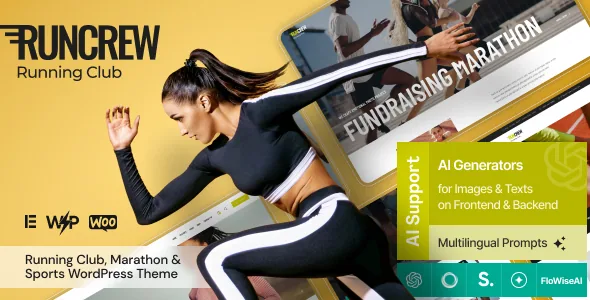
Plenty of sports themes are blog templates with a stopwatch in the header. RunCrew's vendor description opens differently, naming a specific content set for a running club: premade services, products, coaches, workouts and results. Those are the pages a club actually maintains — who coaches the Tuesday session, what the training block contains, what the members ran at the weekend.
That framing is also the most practical way to judge the theme. If your site is mostly race reports and a contact form, the club content types are overhead you will never fill. If you run coached sessions and post results, they give you a structure to start from instead of inventing one. The description lists "events management" as a separate line, and treats the shop as an option rather than the premise.
Race calendars and weekly runs through The Events Calendar
Events management appears in the vendor overview, and The Events Calendar sits in the vendor's plugin compatibility list. The marketplace's compatible-with attributes observed on 5 November 2026 also name Events Calendar. Taken together, the expected pattern is that dated club activity is handled by that plugin, styled to fit the theme.
Nothing in the supplied description says the events plugin is bundled, so treat it as an integration to install and configure rather than something the theme hands you. That distinction matters for a club calendar, because the plugin decides how recurring weekly runs, race entries and location data are stored — the theme supplies the presentation around them.
An optional gear shop, not the whole point
The vendor describes the WooCommerce scenario in concrete terms: selling sportswear, gear, running shoes, accessories, jerseys and T-shirts to amateurs and professionals alike. That is a club merchandise page, not a full retail operation unless you build one.
The marketplace attributes declare WooCommerce compatibility across 5.x through 9.x, and the vendor list adds TI WooCommerce Wishlist to the plugin line-up. The wishlist is a vendor compatibility claim for a separate plugin, not a bundled feature — if a member wishlist is part of your plan, confirm the plugin arrangement before designing around it. Nothing here promises stock, payment or shipping behaviour; WooCommerce owns those.
Elementor down to the header and footer, with settings that cascade
Pages are assembled in Elementor, and the vendor goes further than most listings by stating that header and footer layouts are also customized in Elementor. If your club wants a branded membership banner or a season-long race notice above every page, that belongs in the same canvas as the page body rather than a separate header builder.
The second layer is the framework. The vendor describes a setting inheritance and override system plus 750+ Customizer options. Read the two together: inherited values give you a club-wide colour and type decision made once, and overrides let an individual page or section depart from it. That is genuinely useful for a club with a clean brand but seasonal campaigns, though the size of the option panel is also a reason to agree your defaults early rather than click through thousands of settings per page.
What ships and what does not
The vendor lists PHP, CSS and JavaScript files in the ThemeForest package contents, plus retina image support and one-click demo installation. Slider Revolution and Swiper Slider are named as included — that is the vendor's statement about the product, so verify what your own copy contains rather than assuming.
One vendor note is worth reading before you plan the homepage: demo photography is not part of the template. The images in the live preview belong to their respective owners and must be replaced with your own club photos or licensed stock. Running themes lean hard on action photography, so budget for a shoot or a licence.
The listing and the vendor changelog do not share a version number, and the changelog's most recent entries cover accessibility and security fixes in the theme's addon layer. Check the changelog date against what you install rather than matching numbers.
Where the platform declarations stop short
The marketplace attributes declare WordPress 4.9.x through 7.0.x, WooCommerce 5.x through 9.x, WPML, Elementor and Elementor Pro, with Gutenberg Optimized marked Yes. These are vendor and marketplace declarations, not results from running the theme on your own server.
The WPML entry deserves the most scrutiny, because multilingual member communication is a common club requirement and the attribute only confirms that the vendor lists support. How the coaches, workouts and results pages behave under translation is not described anywhere in the supplied material, so those specific pages are what to exercise if you plan a second language.
Questions & answers
Can RunCrew run a club calendar without a separate events plugin?
The vendor lists events management as a feature and names The Events Calendar in its compatibility list, but does not state that the plugin is bundled. Plan on installing the events plugin and styling it to match the theme.
Do I need WooCommerce to use RunCrew?
No. The vendor presents the shop as a scenario — selling kit, shoes, jerseys and accessories — alongside the club content. If you only publish coaches, workouts and results, the store side stays out of the way.
Are the demo photos included?
The vendor states that images used in the live preview are not included in the template and remain the property of their owners. Replace them with your own club photography or licensed images.