The homepage builder is the reason to pick Sahifa
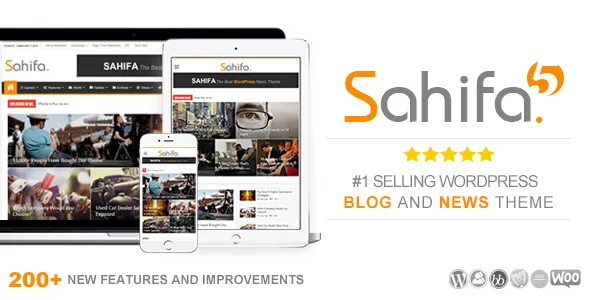
Sahifa's most consequential feature, as the TieLabs feature list describes it, is a drag-and-drop homepage builder with multiple block layouts. That changes how you work on the front page. Instead of choosing one demo layout and living with its rhythm, you assemble the page from blocks and reorder them when the news cycle shifts.
For an editorial site, that matters weekly rather than once. A breaking story leads, a new column needs a slot, a category goes quiet and should drop down the page. A block-based front page lets an editor reshuffle emphasis without touching templates.
The rest of the theme supports that structure: mega menus with optional menu icons, a sticky navigation bar you can switch on or off, and breadcrumbs that are optional. On a magazine layout with long category paths, being able to turn those elements off is often as useful as having them.
Scored articles and review components
TieLabs describes a review system with Schema.org review microdata, and lists Taqyeem with buttons and predefined-criteria add-ons among its bundled components. The useful distinction is between displaying an editorial score and adding structured information about that score.
A publication that rates products or films can use a consistent set of criteria instead of formatting every score from scratch. The listing alone does not establish the exact plugin configuration or eligibility for a search result enhancement.
Widgets and sidebars carry the daily publishing chores
Sahifa bundles 35 custom widgets, per TieLabs. The magazine-specific ones are the interesting part: Category Posts, Posts Slider, News in Pictures (recent or random), Posts by Author, Review Widget, Social Counter, Weather, and dedicated Advertisement widgets.
What really separates it from a basic blog theme is the sidebar model. The theme gives you unlimited sidebars and lets you assign one per page or per post, and it lists sticky sidebars as supported too. A category landing page can have its own widget column while a long-form article uses a different one, all without duplicating widget configurations.
Advertising is handled at several levels: responsive Google AdSense support, optional 728x90 leaderboard support, background image ads, and the ad widgets above. If ad placement is part of your revenue plan, having these as native options reduces the number of plugins you maintain.
Layout, skins and typography settings
Sahifa offers wide, boxed and framed site layouts, page and post layouts with a left sidebar, right sidebar or full width, ten page templates, six footer layouts, and a masonry layout option. Colour is covered by eight skins (orange is the default, with purple, red, pink, green, blue, black and yellow) plus unlimited colour settings, 46 predefined background patterns, and a full-screen background option.
Typography runs through a built-in panel with more than 650 Google Fonts, so element fonts are changed from theme settings rather than a stylesheet. Localisation is supported with a built-in translation panel, and RTL support is included, which is relevant if your audience reads right to left.
Compatibility and what to verify before committing
The marketplace attributes list compatibility with bbPress 2.6.x and 2.5.x, BuddyPress 10.x.x and 9.x.x, and WPML, and mark the theme as Gutenberg optimised. The publisher's supported WordPress range extends back to 4.9.x and forward to the 7.0.x line. Those are vendor claims from the marketplace listing at the time it was observed (November 2026), not the results of testing here.